Periodic Table Alphabet I
A Unique Embroidery Design for the Science Enthusiast
As an experienced embroidery designer, I’ve encountered countless machine embroidery designs over the years. Periodic Table Alphabet I stands out not just for its clever concept but also for its potential to add a unique and educational twist to handmade products. This design is perfect for those who want to blend creativity with a touch of science in their embroidery projects.
First Impressions: A Chemical Element with Character
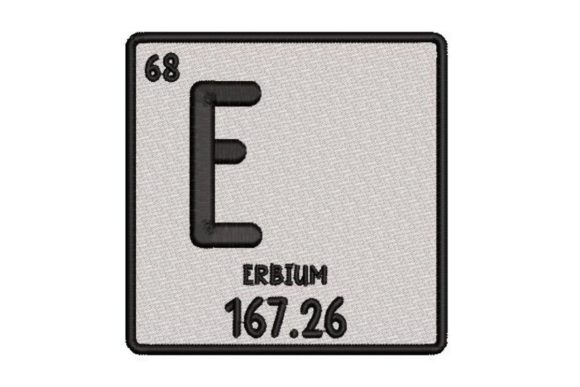
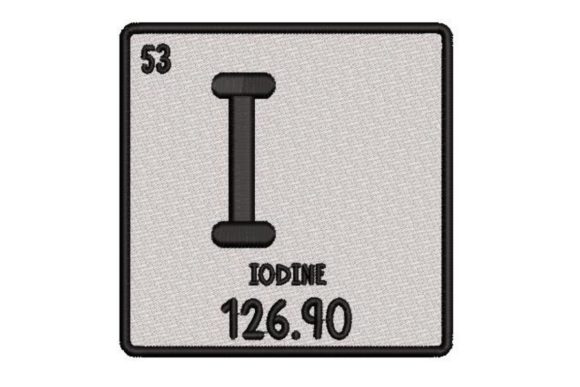
Upon first glance, Periodic Table Alphabet I immediately caught my eye. The design features the letter "I" styled as the chemical element Iodine, complete with its atomic number and symbol. The visual mood is clean, modern, and slightly whimsical, making it ideal for younger audiences or those with a passion for chemistry.
The detail level is impressive, with intricate elements that suggest a thoughtful design process. The stitching personality is balanced—neither too busy nor too simple. It offers enough texture and depth to be visually engaging without overwhelming the viewer. This makes it a versatile choice for a variety of projects, from custom apparel to decorative items.
Real-World Application: From Tote Bags to Custom Apparel
When considering real project use, Periodic Table Alphabet I fits naturally into several categories. It works well on tote bags, where it can serve as a subtle yet meaningful design. On sweatshirts or aprons, it adds a personal touch that appeals to both kids and adults who appreciate science-themed decor.
The design is also suitable for baby items like blankets or bibs, where its educational aspect can spark curiosity in young minds. For caps and patches, the compact nature of the design allows it to be easily scaled down while maintaining clarity and impact.
One thing to consider is the size of the hoop. While the design isn’t overly large, it may require careful placement to ensure it looks good on smaller surfaces. Testing on scrap fabric is always a good idea before committing to a final product.
Practical Considerations: Fabric and Stitching Challenges
Periodic Table Alphabet I performs well on most fabric types, but there are some practical considerations to keep in mind. Dense stitch areas may cause issues on stretchy fabrics, so using a proper stabilizer is essential. Dark fabrics can sometimes make the design less visible, so checking thread color contrast is crucial for optimal results.
Curved surfaces like caps present another challenge. The design’s structure needs to accommodate these shapes without distorting the lettering or losing detail. Layered details also require careful handling to avoid overlapping stitches that might affect the overall look.
For products that will undergo frequent washing, such as kitchen towels or pillow covers, the durability of the embroidery is important. Ensuring that the stitch density is appropriate for the fabric type and that the design is properly stabilized will help maintain its appearance over time.
Enhancing Product Value and Brand Consistency
Using Periodic Table Alphabet I can significantly enhance the value of your handmade products. Its educational theme makes it a great option for personalized gifts, especially for science-loving kids or educators. The design’s uniqueness helps differentiate your products in a crowded market, increasing buyer trust and engagement.
From a branding perspective, this design supports consistent visual storytelling. Whether you’re creating a line of custom apparel or seasonal handmade gifts, Periodic Table Alphabet I provides a cohesive element that aligns with a scientific or educational brand identity.
When photographing finished products, the design’s clarity and detail make it easy to showcase in high-quality images. This is particularly beneficial for Etsy sellers and small business owners looking to attract customers through strong visual appeal.
Embroidery Tips for Success
To ensure the best results when working with Periodic Table Alphabet I, I recommend the following tips:
- Test on scrap fabric to assess how the design looks and performs on your specific machine and fabric type.
- Check thread color contrast to ensure the design is visible and appealing on both light and dark fabrics.
- Review stitch density to determine if adjustments are needed for different fabric thicknesses or hoop sizes.
- Confirm hoop size to prevent distortion and ensure the design remains intact during stitching.
- Use proper stabilizer to support the fabric and prevent puckering, especially on delicate or stretchy materials.
- Inspect small details after stitching to catch any issues early and ensure the final product meets quality standards.
- Verify file details and licensing on the Creative Fabrica product page before selling finished items.
By following these steps, you’ll maximize the potential of Periodic Table Alphabet I and ensure that your finished products are both beautiful and functional.
Conclusion: A Versatile Design for Diverse Projects
Periodic Table Alphabet I is more than just an embroidery design—it’s a creative tool that can elevate your handmade products and connect with a niche audience. Whether you’re crafting custom apparel, seasonal gifts, or boutique merchandise, this design offers versatility, character, and educational value.
With careful planning and attention to detail, Periodic Table Alphabet I can become a standout feature in your collection. It’s a great choice for those looking to blend science and art in their embroidery work, offering both aesthetic appeal and meaningful content for your customers.